Course Abstract Details
BIOL-211, Human Anatomy and Physiology 2
Credits: 4
Course Description
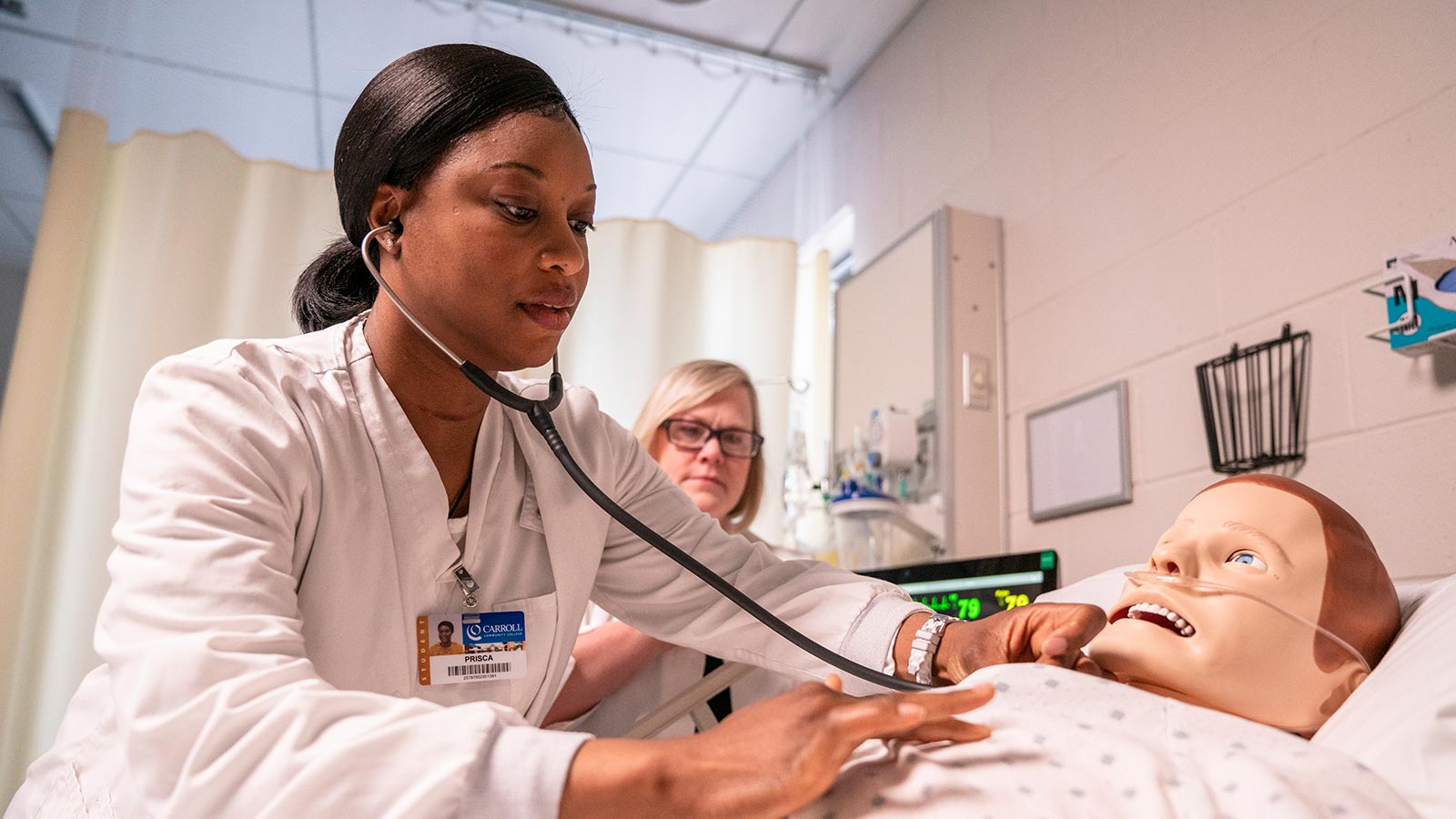
BIOL-211, Anatomy and Physiology 2, provides further study of the structure and function of the human body. The circulatory, respiratory, excretory, digestive, and reproductive systems will be emphasized in this term with an emphasis on structure and function from the microscopic to the macroscopic level of organization. Prerequisite: BIOL-210 with a C grade or better within the last five years. Credit by exam available. Three hours lecture, three hours laboratory each week. Four credits. Four billable hours.
Course Objectives and Grading Information
COURSE OBJECTIVES Upon completion of this course, students should be able to:
1. Describe each system of the human body covered in this course: Cardiovascular, respiratory, digestive, urinary, and reproductive systems. (GE1, PG4)
2. Describe the normal functions of the components of these systems on the cellular and organ levels. (GE1, GE3, PG4)
3. Integrate a basic knowledge of chemistry and biochemistry with human physiology. (GE1, GE2, GE3, PG3, PG4)
4. Describe the correlation of all the body systems with each other and their contributions to homeostasis. (GE1, GE2, GE3, GE5, PG1, PG4)
5. Describe the various tools used in health care and how they are used in the diagnosis and cure of pathological conditions. (GE1, GE2, GE3, GE4, GE5, GE6, GE7, PG3, PG4)
6. Research information related to the topics studied from various scientific sources. (GE1, GE3, GE4, GE6)
Learning Goals
The abbreviations in parentheses represent Learning Goals which have been identified for this course and program of study: